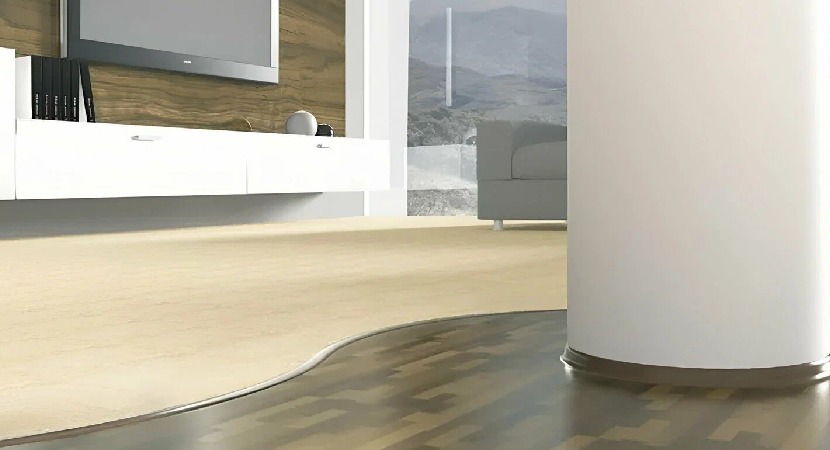
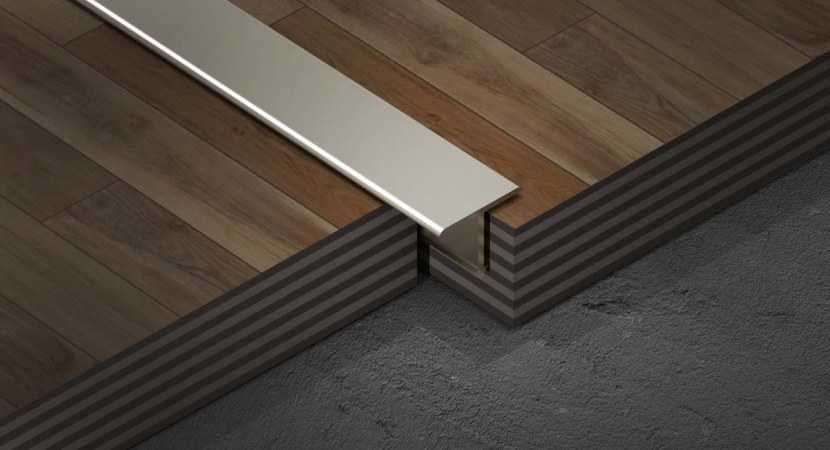
The right trim protects tile edges, manages movement, and creates clean transitions between surfaces. Choosing from reliable tile trim manufacturers helps avoid issues later.
Start With the Area of Use
Before selecting a tile trim, look at where it will be installed.
For exposed tile edges, a floor profile edge trim prevents chipping and damage. External corners require a tile corner profile to keep lines straight and protect edges from impact. Where tiles meet another flooring material, threshold profiles or aluminum threshold profiles create a safe transition.
For wall bases, tile skirting or floor skirting protects the lower part of the wall from cleaning equipment and foot traffic. In some projects, PVC skirting is used in light-duty areas.
Each space has different requirements. Bathrooms, retail areas, and warehouses do not need the same solution.
Select the Right Material
Material choice affects lifespan.
Aluminium floor trim profiles are widely used because aluminium resists corrosion and works well in humid areas. Aluminium groove profile and aluminium groove channel systems are also used in modern wall designs where a shadow gap or clean line is required.
Stainless steel trims are more suitable in heavy-use zones such as malls or public walkways. They handle impact better and maintain their finish under constant traffic.
PVC options, such as PVC flat bar or corner guards, are generally used in lower-impact environments.
Match the material to traffic level, exposure to moisture, and expected wear.
Allow for Tile Movement
Heat causes expansion. Large tiled surfaces without proper movement control can crack or lift over time.
Tile movement joints and tile movement joints allow controlled expansion. In wider floor areas, floor tile movement joints or a tile expansion joint should be part of the design. Where structural gaps exist, a floor expansion joint or expansion joint cover may be required.
Movement planning is especially important in the UAE climate.
Consider Stair Protection
Stairs require additional attention. Tile stair nosing or an anti-slip stair nosing improves grip and protects the front edge of each step. A stair nosing strip reduces the risk of damage from repeated foot traffic.
In commercial buildings, stair nosing profile systems are often specified for safety compliance.
Think About Transitions and Finishing
Where tile meets carpet, a carpet edge profile keeps the edge secure and prevents fraying. Carpet profiles help create a smooth change between materials.
Small details like aluminum flat bar or steel metal flat bar can also be used for edge finishing in certain applications.
These finishing elements are part of a complete trim system, not separate additions.
Work With Established Manufacturers
Not all trim manufacturers produce the same quality. Working with experienced metal trim manufacturers or aluminium trim manufacturers ensures consistent sizing and reliable performance.
Good tile trim manufacturers also provide compatible trims accessories and profile products that work together across floors, walls, and stairs.