
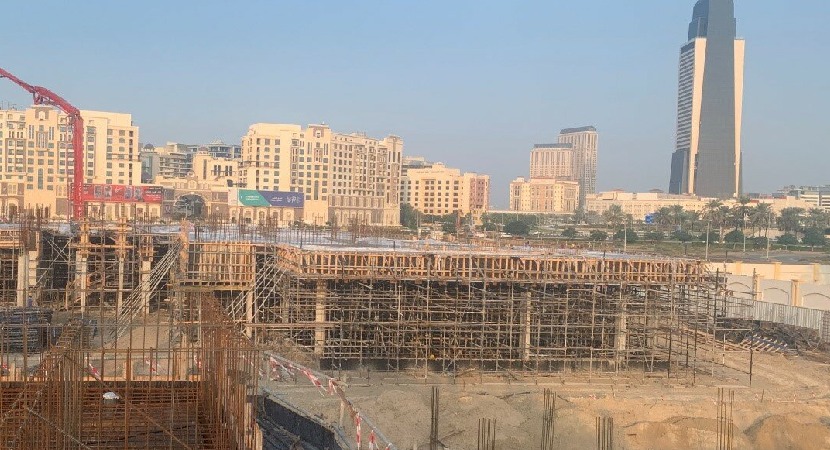
1. Reducing Lead Times and Logistical Difficulties
The considerable decrease in lead times is one of the main benefits of purchasing building supplies locally. Delivery dates for products imported from overseas can be prolonged by several weeks or even months due to minor problems like port congestion, customs inspections, or logistical delays. In contrast:
→Local manufacture eliminates long import supply cycles.
→Production runs can be timed with project schedules to support just-in-time (JIT) delivery frameworks.
→Quick replacement parts or modifications can be made without international shipping delays.
Delays can halt interior work, cabinetry finishes, and façade installations, which is particularly problematic for profile goods and finishing elements like tile profile and tile corner profile. Tangible productivity advantages frequently result in weeks off completion deadlines in high-speed construction contexts like mixed-use buildings, hotel projects, and commercial interiors.
Due to their proximity and logistical flexibility, local manufacturers are also able to react to last-minute changes on-site, in contrast to faraway suppliers’ strict schedules.
2. Quality Control and Compliance with UAE Standards
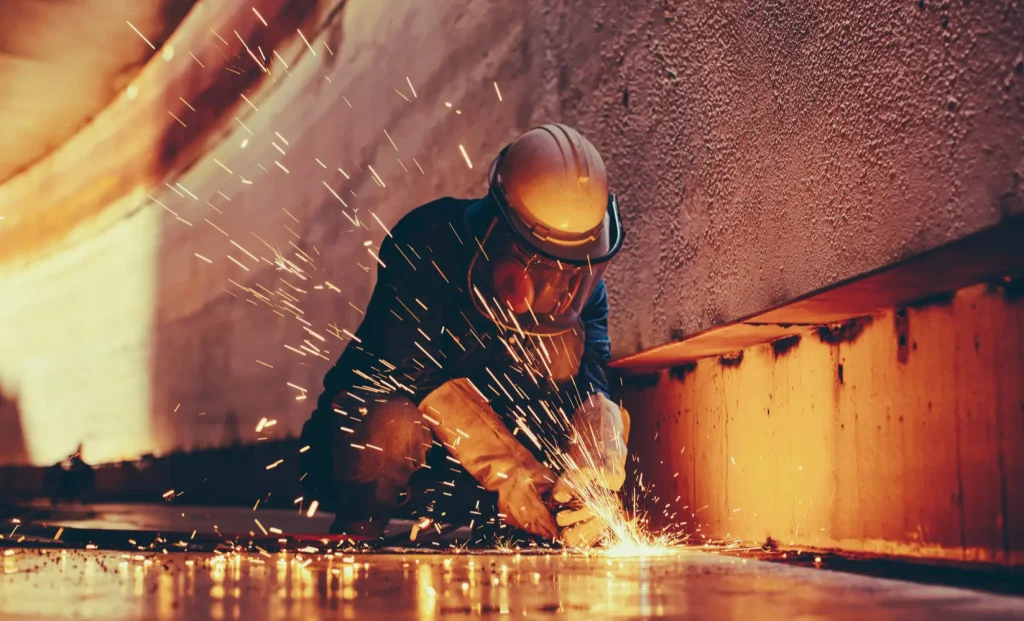
Local production frequently entails stricter quality control in accordance with international standards (such as ISO and ASTM), sustainability measures, and UAE building rules. UAE-based factories typically function under strong compliance frameworks, whether it’s extrusion quality for aluminium trims or precision in trim accessories:
→On-site audits are possible.
→It is possible to take prompt corrective action.
→Compliance with regional fire, structural, and sustainability laws is part of the manufacturing process.
This lessens the possibility of rework, which is a significant factor in later project schedule delays.
3. Better Adherence to Technological Advancements
Digital transformation and cutting-edge building methods like Building Information Modelling (BIM) are becoming more and more common in the UAE industry. BIM promotes collaboration and minimises disagreements during design and documentation, but it is only helpful if the materials utilised satisfy dimensional accuracy and digital standards.
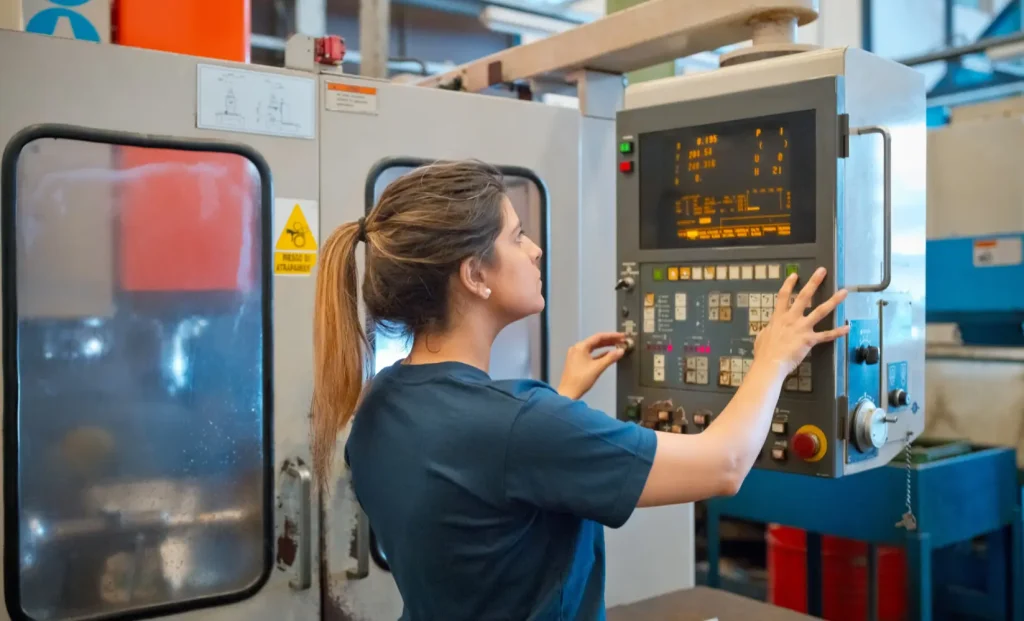
Investments in digital production technology (CNC, automation, robots) by regional manufacturers allow:
→Precision cuts for profile products
→Repeatable quality for structural trims
→Custom configurations for tile profile systems
Such precision supports faster on-site assembly and reduces the need for corrective adjustments that delay progress.
4. Scalability During Market Peaks
UAE construction is not homogeneous; some sectors (residential, hospitality, infrastructure) grow in waves. Local manufacturers can scale production to align with peaks in demand more efficiently than international suppliers:
→Fast setup of additional production shifts
→Scaling up inventory in local warehouses
→Being part of collaborative forecasting through local contractor networks
This responsiveness helps keep project timelines intact, especially when supply chain shocks affect global markets.
5. Cost And Risk Mitigation
While import competition remains strong, especially in commodity tile segments where international suppliers flood the UAE market with low-cost options, locally manufactured goods carve a niche around reliability, customisation, and shorter delivery windows.
Consequently, quicker delivery and fewer delays lower:
→Holding expenses as a result of unfinished work
→Inefficient labour due to idle workers awaiting supplies
→Penalties under contracts linked to delivery milestones
Faster project model turnaround times are a direct result of these risk mitigations.
6. Improving Supply Chain Competition
Supply chain resilience can be improved by investing in local production, particularly in unstable global markets. Government programs like the Ministry of Industry & Advanced Technology’s Vision 2030 encourage homegrown manufacturing by providing logistical support and tariff savings. In the face of global problems, strong local supply chains allow contractors to diversify their procurement, lessen their reliance on a single foreign source, and stabilise project planning.
7. Integrated Solutions for Quicker Implementation
Many UAE manufacturers now provide full-service packages that cover manufacturing, finishing, shipping, and even installation help, in contrast to siloed procurement procedures. Project phases that commonly demand a large number of subcontractors and coordination points for trims and profiles—especially ornamental or structural components—are hastened by this integrated approach.
Conclusion: A Strategic Asset for UAE Construction
Local manufacturing is more than merely useful in the UAE. It is a tactical tool that strengthens supply chain resilience, speeds up delivery cycles, and increases project certainty. By using local suppliers for trims, accessories, profile products, tile profiles, and tile corner profiles instead of relying exclusively on imports, developers, general contractors, and project managers can reduce risks and achieve measurable improvements in project deadlines. To maintain a competitive edge and guarantee quicker project completions without compromising quality, the UAE will need to integrate digital innovation, astute procurement strategies, and local production capacity as it continues to undertake ambitious mega-projects and sustainability-driven developments.
What do you think?
The cantilevered and stepped massing plays into the building’s sustainability benefits, as it forms balconies and green roofs that allow occupants fresh air and stunning views of the city.